
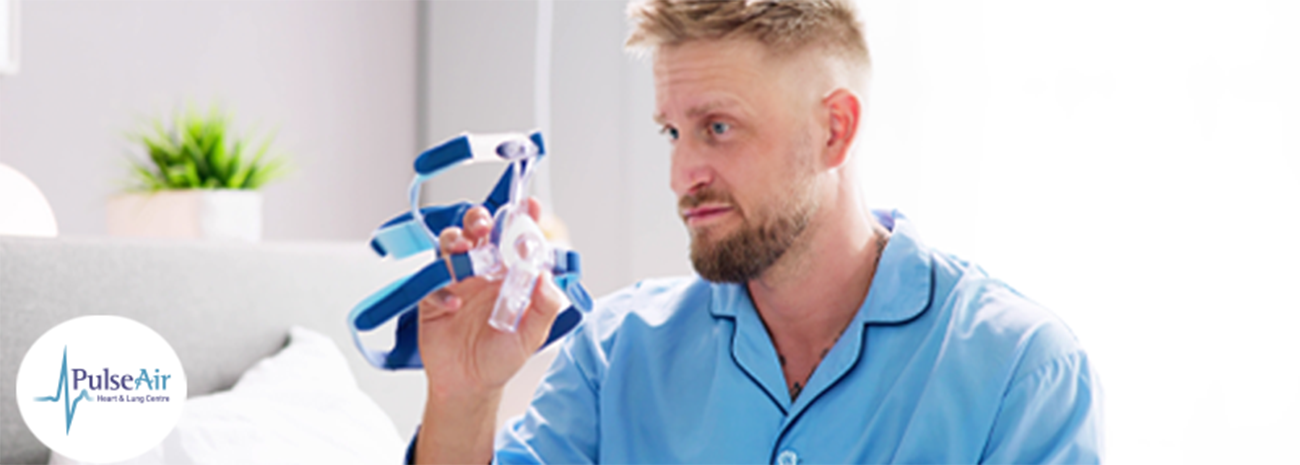
CPAP therapy may need a second look if you are using your machine but still waking up tired, noticing mask leaks, dealing with dry mouth, or feeling like the pressure is uncomfortable. CPAP therapy can be very helpful for sleep apnea, but comfort and consistency matter.
If something has changed, do not adjust your CPAP settings on your own unless instructed by your healthcare provider. A follow-up can help determine whether the issue is your mask, supplies, pressure comfort, sleep habits, or another health concern.
How Can You Tell if CPAP Therapy Is Still Working?
CPAP therapy is more likely to work well when you use it consistently, and your setup fits properly. If you used to sleep better with CPAP but now feel tired again, your therapy may need to be reviewed.
Signs that CPAP may not be working as well include:
- Waking up tired despite using your machine
- Mask leaks during the night
- Dry mouth or throat irritation
- Waking more often than usual
- Snoring or gasping again
- Pressure that feels uncomfortable
- Changes in weight, health, or sleep routine
These issues do not always mean CPAP has stopped working. In many cases, small adjustments to fit, supplies, or routine can make a difference.
CPAP Problems That Can Sneak Up Over Time
CPAP issues often build gradually. A mask cushion wears down. Headgear stretches. Seasonal allergies make nasal breathing harder. A small leak becomes a nightly problem.
Common reasons CPAP may start feeling less effective include:
- Worn mask cushions
- Stretched headgear
- Tubing leaks
- Dirty or old filters
- Nasal congestion
- Dry indoor air
- Changes in sleep position
- Weight changes
- New medications
- Inconsistent use
- Pressure discomfort
Because these changes can happen slowly, people may not realize how much they are affecting sleep.
Need Help? Let Us Check Your CPAP Setup
Signs Your CPAP Setup May Need a Second Look
You Are Using CPAP but Still Feel Tired
If you are wearing your CPAP but still waking up exhausted, something may be interrupting your treatment or your sleep. Mask leaks, pressure discomfort, short sleep time, or another sleep concern could be involved.
If tiredness has returned after a period of better sleep, it is worth asking for a follow-up.
Your Mask Seal Is Not Holding Overnight
A leaking CPAP mask can affect comfort and therapy. You may hear air escaping, feel air blowing toward your eyes, or wake up because the mask shifts.
A poor seal may be caused by:
- A worn cushion
- Incorrect mask size
- Over-tightened headgear
- Facial hair
- Sleeping position
- Old or stretched straps
A mask fit review can help identify whether you need a replacement part or a different mask style.
Dry Mouth or Throat Irritation Keeps Happening
Dry mouth can happen when air escapes through the mouth, when humidification is not ideal, or when nasal congestion affects breathing.
If dry mouth or throat irritation keeps waking you, do not ignore it. It may be a sign that your mask style, humidification, or fit needs to be reviewed.
You Wake Up More Than You Used To
Waking once in a while is normal, but frequent waking can make CPAP harder to tolerate. If you are waking to adjust your mask, fix leaks, sip water, or restart your machine, your setup may need attention.
A follow-up can help determine whether equipment comfort, therapy settings, or another sleep issue may be involved.
Snoring or Gasping Has Returned
Snoring or gasping while using CPAP can be a sign that your airway is not being supported as well as expected. It may also point to mask leaks or inconsistent use.
If a partner notices snoring again, or you wake yourself gasping, speak with your care team.
The Pressure Feels Uncomfortable
If pressure feels too strong, you may feel like you are fighting against the air. If it feels too weak, you may feel unsupported or notice symptoms returning.
Do not change pressure settings on your own. CPAP pressure should be reviewed by a qualified provider or healthcare professional.
Your Health, Weight, or Sleep Routine Has Changed
Sleep apnea and CPAP needs can change over time. Weight changes, nasal congestion, new medications, alcohol use, sleep position, and other health changes may affect how therapy feels.
If your life or health has changed and CPAP no longer feels right, a review may help.
Why You Should Not Change CPAP Settings on Your Own
Changing CPAP pressure without guidance can make therapy less effective or more uncomfortable. If the pressure feels wrong, the better first step is to ask for support.
Before assuming the pressure needs changing, your care team may look at:
- Mask fit
- Air leaks
- Supply wear
- Humidification
- Usage patterns
- Sleep symptoms
- Other health factors
The issue may be something simple, such as a worn mask cushion, rather than the pressure itself.
Questions About Your CPAP? Contact Us
What a CPAP Follow-Up Can Help With
A CPAP follow-up can help identify what has changed and what support may be needed. Depending on your concerns, a follow-up may include reviewing mask fit, comfort issues, equipment use, sleep symptoms, and therapy questions.
At PulseAir, we support patients with sleep apnea education, PAP therapy questions, respiratory therapy care, and sleep testing. If symptoms have returned or therapy feels harder than it used to, our team can help guide your next steps.
Ask PulseAir About Sleep Apnea and CPAP Support
CPAP therapy does not have to feel perfect every night, but it should be comfortable enough to use consistently. If leaks, dryness, fatigue, or pressure discomfort are making therapy harder, it may be time to ask for help.
Contact PulseAir or speak with your family physician if your symptoms persist, worsen, or no longer feel well managed. Our Edmonton team supports patients with sleep apnea, respiratory therapy care, and diagnostic services.
FAQs About CPAP Therapy Concerns
Why did my CPAP feel fine before but not now?
CPAP can start feeling different because of worn supplies, mask leaks, nasal congestion, weight changes, sleep position changes, or pressure comfort issues.
Can a worn-out mask cushion cause CPAP problems?
Yes. A worn mask cushion can cause leaks, discomfort, noise, and reduced therapy effectiveness. Replacing supplies regularly can help.
What should I do before changing CPAP settings?
Check your mask fit, tubing, filters, and supplies first. Then contact your CPAP provider or care team before making any pressure changes.
Can sleep apnea symptoms come back while using CPAP?
Symptoms can return if therapy is disrupted by leaks, poor fit, inconsistent use, pressure issues, or other health changes. A follow-up can help identify the cause.
When should I book a CPAP follow-up?
Book a follow-up if you are still tired, snoring again, waking often, struggling with leaks, or finding CPAP uncomfortable.